


Last reviewed November 24, 2026 · 8-minute read
The short answer: Squalane is a stable, lightweight oil made by hydrogenating squalene, a lipid your skin already produces in its sebum. It helps soften skin and reduce moisture loss, is generally considered noncomedogenic, and is well tolerated by most skin types, including sensitive and acne-prone skin. It is one of the easiest ingredients to add to a winter routine.
Every winter there is one ingredient that quietly ends up in everything: the serum, the night cream, even the sunscreen. Lately, that ingredient is squalane. It shows up near the top of ingredient lists in creams from Peter Thomas Roth, Replenix and DOCTOR BABOR, and it has a reputation as the rare oil that dry, sensitive and breakout-prone skin can all agree on.
So is squalane worth seeking out, or is it just a nice-sounding filler? We read the dermatologist guidance, then went through the ingredient lists of the creams on the shelf at DermStreet to see which ones actually contain it, and how high up the list it sits. Here is what we found.
What is squalane?
Squalane (with an “a”) is the hydrogenated, stabilized form of squalene (with an “e”). Squalene is an oily compound found in humans, animals and plants, and it is one of the lipids in your skin's own sebum. According to the Cleveland Clinic, the body's squalene production declines with age, which is one reason skin tends to feel drier over time.
The problem with squalene is that it is chemically unstable. Exposed to air, it oxidizes and can turn rancid. Adding hydrogen turns it into squalane, a saturated oil that is far more stable and has a longer shelf life. Dermatologist Dr. Brendan Camp told NBC Select that squalane does not oxidize when exposed to air the way squalene does.
Where does squalane come from?
Historically, squalane was made from shark liver oil, which raised sustainability and ethical concerns. As board-certified dermatologist Dr. Jane Yoo notes, most squalane today is plant-derived, commonly from olives or sugarcane. The source varies by manufacturer, so if you shop vegan, check with the brand.
What does squalane do for skin?
Squalane is an emollient. It fills in the small gaps between skin cells, so skin feels softer and smoother, and it helps slow the water loss that makes winter skin feel tight. Here is what the dermatologist sources we read agree on:
✔ Helps lock in moisture and reduce water loss
✔ Softens rough, flaky texture
✔ Supports a comfortable, healthy-looking skin barrier
✔ Feels light and absorbs without a heavy, greasy film
✔ Generally considered noncomedogenic
The Cleveland Clinic piece also notes that squalane's anti-inflammatory properties may help skin prone to acne and eczema. We would put it more modestly: squalane is a supportive, comforting ingredient, not a treatment. It works best as part of a moisturizer that also contains humectants (like glycerin or hyaluronic acid) and barrier lipids (like ceramides).
Squalane vs. squalene vs. face oils: what's the difference?
| Ingredient | What it is | Stability | Best for |
|---|---|---|---|
| Squalene | A lipid in skin's sebum, also found in plants and animals | Unstable; oxidizes in air | Rarely used on its own in skincare |
| Squalane | Hydrogenated squalene | Stable, long shelf life | Most skin types, including sensitive and acne-prone |
| Hemisqualane | A related ingredient about half squalane's molecular weight | Stable | Oily or combination skin that wants an even lighter feel |
| Plant face oils | Blends of fatty acids (jojoba, marula, rosehip) | Varies by oil | Dry skin; richer feel, more variable tolerance |
If you have tried face oils and found them too heavy, a cream built around squalane is often the gentler middle ground.
Is squalane good for oily and acne-prone skin?
Usually, yes. Dermatologist Dr. Alok Vij told the Cleveland Clinic that squalane is noncomedogenic and safe for oily and acne-prone skin. Dr. Marisa Garshick told NBC Select it is generally not irritating and works across skin types, including sensitive skin. Dr. Yoo suggests very oily or combination skin may prefer the lighter hemisqualane.
One important caveat from Dr. Vij: squalane itself is very safe, but the other ingredients in a formula (fragrance, preservatives, dyes) are what usually cause trouble. Always read the full list, not just the headline ingredient.
Who should use squalane, and who should skip it?
Great for: dry and dehydrated skin, skin that feels tight after cleansing, sensitive or easily irritated skin, mature skin, and anyone using retinoids or exfoliating acids who needs extra comfort.
Think twice if: your skin is very oily and already feels well moisturized (you may not need the extra emollience), or you react to fragrance, since some squalane creams also contain it. As with any new product, patch test first and introduce one new product at a time. If you are pregnant or nursing, check the full formula with your doctor, especially for products that also contain exfoliating acids.
The Best Squalane Creams to Try at DermStreet
Deals current as of November 24, 2026. DermStreet discounts vary by brand, take one code per item, and may change.
We only included products where squalane appears in the actual ingredient list, not just the marketing copy.
For redness-prone and sensitive skin
-
Replenix Redness Reducing Triple AOX Cream — Squalane is the second ingredient after water, paired with caffeine, green tea polyphenols, resveratrol and bisabolol, plus a sheer tint that helps blur the look of redness. Reviewers with reactive skin say it calms without stinging.
Deal at DermStreet: 30% off with code BFCM30 -
EltaMD UV Restore Broad-Spectrum SPF 40 — A mineral sunscreen (15% zinc oxide, 2% titanium dioxide) with squalane and antioxidants in the base. Reviewers like that it does not sting the eyes.
Deal at DermStreet: 30% off with code BFCM30
For dry, dull winter skin
-
Dr. Dennis Gross Vitamin C Lactic Dewy Deep Cream — A dewy cream that combines squalane with camellia and rice bran oils, ceramide NP, niacinamide, a vitamin C derivative and lactic acid for hydration plus a brighter look.
Deal at DermStreet: 30% off with code BFCM30 -
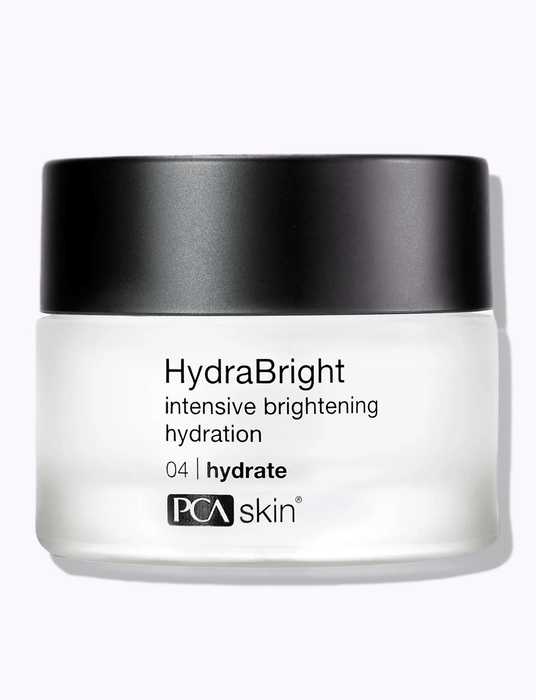
PCA Skin HydraBright — A whipped, fast-absorbing moisturizer with niacinamide, squalane and licorice root extract that targets dullness and uneven-looking tone. Reviewers say it sits well under makeup.
Deal at DermStreet: 32% off with code BFCM32
For firmness and fine lines
-
Peter Thomas Roth Peptide Skinjection Moisture Infusion Cream — Squalane sits sixth on the list, cushioning a large peptide complex plus sodium hyaluronate. Rich-feeling but quick to absorb, and reviewers say it does not pill under makeup.
Deal at DermStreet: 35% off with code BFCM35 -
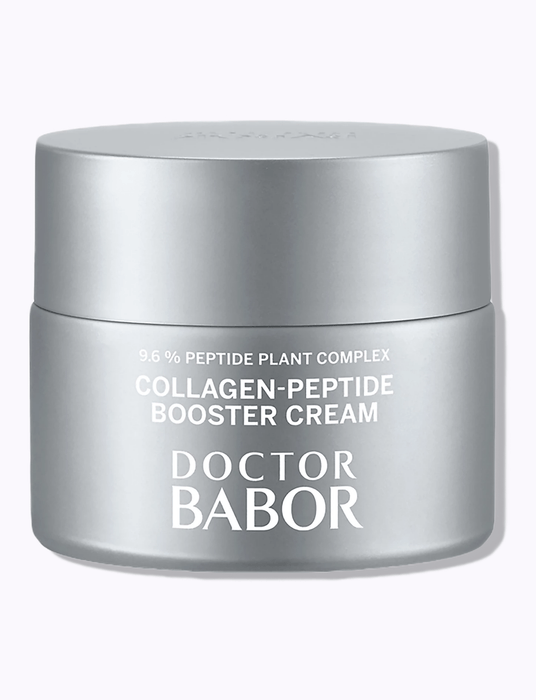
DOCTOR BABOR Collagen-Peptide Booster Cream — Squalane is fourth, alongside macadamia seed oil, collagen-supporting peptides and sodium hyaluronate. Note that the ingredient list includes fragrance, so sensitive skin should patch test.
Deal at DermStreet: 35% off with code BFCM35
How to add squalane to your routine
Morning: Gentle cleanser → hydrating serum → squalane moisturizer (like PCA Skin HydraBright) → broad-spectrum SPF 30 or higher, such as EltaMD UV Restore SPF 40. Reapply sunscreen every two hours when outdoors.
Evening: Cleanser → treatment (retinoid or exfoliant, on the nights you use them) → a richer squalane cream like Peter Thomas Roth Peptide Skinjection. Dermatologists generally recommend applying lighter textures first and emollients last.
Tip: squalane pairs well with retinoids. If your skin gets dry on a retinoid, a squalane cream on top can make it more comfortable. Shop more options for dry skin and sensitive skin, or browse peptide creams.
Frequently Asked Questions
Is squalane the same as squalene?
No. Squalene is a natural lipid in skin's sebum that oxidizes easily. Squalane is its hydrogenated form, which is stable and has a longer shelf life, so it is the version used in most skincare.
Does squalane clog pores?
Squalane is generally considered noncomedogenic, and dermatologists describe it as suitable for oily and acne-prone skin. Breakouts are more often caused by other ingredients in a formula, so check the full ingredient list.
Can I use squalane with retinol or vitamin C?
Yes. Squalane pairs well with both. It can help offset the dryness some people feel when using retinoids, and it layers easily over vitamin C serums.
Is squalane safe during pregnancy?
Squalane itself is considered very gentle, but always check the full formula with your doctor during pregnancy, since some squalane products also contain retinoids or exfoliating acids.
Is squalane vegan?
Most squalane today is plant-derived, often from olives or sugarcane, but some has historically come from shark liver. If that matters to you, confirm the source with the brand.
Where can I buy squalane skincare?
You can buy squalane moisturizers and sunscreens at DermStreet.com, which carries authentic physician-grade skincare and has licensed estheticians available to help you choose. Current DermStreet deals: 30% off Replenix, EltaMD and Dr. Dennis Gross with code BFCM30, 32% off PCA Skin with code BFCM32, and 35% off Peter Thomas Roth and BABOR with code BFCM35.
The Bottom Line
Squalane is not flashy, and that is the point. It is a stable, skin-familiar oil that helps hold in moisture and keeps skin soft through the driest months, with very little risk of irritation on its own. Pick a formula where it sits high on the ingredient list, pair it with SPF by day, and give your skin a few weeks of consistency. Shop squalane creams at DermStreet this week with brand codes from BFCM30 to BFCM35. Our licensed estheticians at DermStreet can help — call 888-249-2502 or start a live chat.
Shop The Blog



Sources
Cleveland Clinic: What Is Squalane?
NBC Select: Dermatologists on squalene and squalane
Dr. Jane Yoo: Squalane vs. Squalene
This article is for educational purposes and is not medical advice.