


Last reviewed November 19, 2026 · 7-minute read
The short answer: Microbiome skincare uses prebiotics (food for your skin’s good bacteria), probiotics (beneficial microbes, usually as ferments or lysates rather than live cultures) and postbiotics (the helpful compounds microbes make) to support a balanced skin ecosystem and a healthy-looking barrier. The science is promising but still early, so pair these products with gentle cleansing, a good moisturizer and daily SPF.
Your face is not just skin. It is home to a vast community of bacteria, fungi and other microorganisms, and in 2026 that community has become one of the most talked-about ideas in skincare. Brands are adding prebiotics to moisturizers, ferments to serums and “biome” to product names, while dermatologists are asking a sharper question: what does the research actually support?
We read the latest review literature and the ingredient lists of the microbiome-focused products we carry at DermStreet to separate the useful from the hype. Here is what prebiotics, probiotics and postbiotics really are, who stands to benefit, and which formulas are worth a place in your winter routine.
What is the skin microbiome?
The skin microbiome is the community of microorganisms that lives on your skin. Board-certified dermatologist Dr. Jane Yoo describes it as “a community estimated to include more than 1,000 species of bacteria, fungi, viruses, and archaea,” shaped by genetics, environment, hygiene, diet and the products you use. Its makeup varies by body area: an oily forehead hosts a different mix than a dry shin.
When that community is balanced, it works alongside your skin barrier. When it is disrupted (researchers call this dysbiosis), it has been linked to concerns such as eczema-prone skin, breakouts and flaking. Harsh routines play a part too: over-washing can lead to dryness, irritation and barrier breakdown, which is one reason dermatologists keep recommending gentler cleansing (see our guide to double cleansing without drying out your skin).
Prebiotics vs. probiotics vs. postbiotics: what’s the difference?
| Term | What it is | What you’ll see on labels |
|---|---|---|
| Prebiotics | Non-living ingredients that resident bacteria can feed on, helping beneficial strains thrive | Inulin, alpha-glucan oligosaccharide, beta-glucan, galacto-oligosaccharides |
| Probiotics | Beneficial microorganisms; in skincare, usually inactivated or fermented rather than alive | Lactobacillus ferment, Bifida ferment lysate, Lactobacillus |
| Postbiotics | Inanimate microorganisms and/or the components and compounds they produce | Ferment filtrates, lysates, “postbiotic” blends |
A 2026 review in the journal Cosmetics notes that most “probiotic” skincare actually contains ferments or lysates rather than live bacteria “due to formulation challenges,” and that keeping microbes alive in a cream is difficult. In other words, a label that says probiotic usually means the helpful byproducts of bacteria, not living cultures, and that is fine.
Does microbiome skincare actually work?
The honest answer: the theory is strong and the evidence is growing, but it is not settled. The same review describes “promising scientific data and early clinical findings” alongside “limited robust in vivo evidence” and inconsistent marketing claims. It also stresses that benefits are highly strain-specific, so “contains probiotics” on its own tells you little.
Dr. Yoo notes that research interest is strongest for eczema-prone and flaky, seborrheic-type skin, while topical evidence remains limited overall. Those are medical conditions, so if you are managing one, a dermatologist should lead your plan. For everyday skin, the realistic promise is cosmetic: products that help support a calm, comfortable, well-hydrated barrier.
✔ Supports the look of a healthy, resilient skin barrier
✔ Helps calm the appearance of redness and dryness
✔ Pairs well with barrier basics like ceramides and hyaluronic acid
✔ Prebiotics and postbiotics are stable and easy to formulate
Who should try microbiome skincare, and who should be careful?
Good fit: dry, tight or easily irritated skin; skin recovering from retinoids, peels or over-exfoliation; anyone simplifying a routine after a winter flare of redness. If your barrier feels compromised, start with our guide to protecting your skin barrier in winter.
Be careful if: you are sensitive to fragrance (some formulas below contain fragrance or essential oils), you have a known yeast or ingredient allergy, or you are immunocompromised, in which case ask your doctor before using any product with live cultures. Patch test new products for a few days, and if you are pregnant or nursing, check new products with your OB-GYN.
The Best Microbiome-Friendly Skincare to Try at DermStreet
Deals current as of November 19, 2026. DermStreet discounts vary by brand, take one code per item, and may change.
Postbiotic barrier creams
-
Obagi Rebalance Skin Barrier Recovery Cream — Obagi’s BarrierPlex blend combines postbiotics, ceramides and calming ingredients to help restore a stressed barrier and soothe the look of redness, including after peels or retinoids.
Deal at DermStreet: 35% off with code BFCM35 -
Colorescience Barrier Pro Essential Moisturizer — A fast-absorbing, non-comedogenic moisturizer designed to support a healthy skin microbiome and help reduce the look of redness, suited to sensitive, dry and post-procedure skin.
Deal at DermStreet: 35% off with code BFCM35
Biome serums and mists
-
Epicutis Hydrobiome Serum — A minimalist hydrating serum with sodium hyaluronate and a vitamin E derivative, designed to support a balanced skin microbiome. A short ingredient list with no fragrance listed makes it easy to slot under any moisturizer.
Deal at DermStreet: 20% off with code BFCM20 -
Epicutis Hydrobiome Mist — A fine mist with Lactobacillus ferment, grape seed extract and glucosylrutin for a quick hydration boost in dry indoor air. It also contains hinoki wood oil, so fragrance-sensitive skin should patch test.
Deal at DermStreet: 20% off with code BFCM20
Prebiotic day care
-
Elemis Superfood Day Creme — A lightweight day cream with a prebiotic (alpha-glucan oligosaccharide) plus matcha, broccoli seed oil and vitamin C. It contains fragrance and essential oils, so skip it if your skin is reactive.
Deal at DermStreet: 35% off with code BFCM35 -
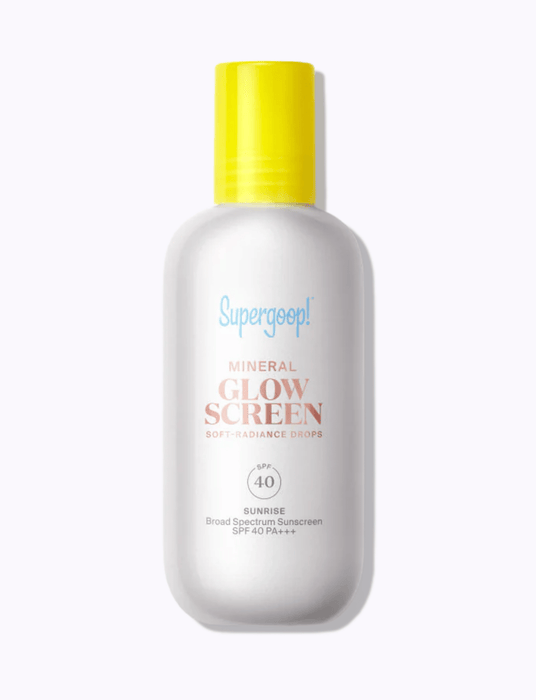
Supergoop! Glowscreen Soft-Radiance Drops Mineral SPF 40 — Zinc oxide sunscreen with inulin, a plant-derived prebiotic, and a soft glow finish. Microbiome care still ends with daily SPF.
Deal at DermStreet: 25% off with code BFCM25
Gentle resurfacing
-
Elemis Dynamic Resurfacing Facial Pads — Pre-soaked pads with a probiotic ferment complex, enzymes and lactic acid to smooth texture. If your barrier is sensitive, start with a few times a week.
Deal at DermStreet: 35% off with code BFCM35
Shop All Sensitive Skin Care at DermStreet →
How to add microbiome skincare to your routine
Morning: Gentle cleanse or a lukewarm rinse, a mist or serum such as Epicutis Hydrobiome, a barrier-friendly moisturizer, then broad-spectrum SPF 30+ (Glowscreen Soft-Radiance Drops if you want a mineral option).
Evening: A non-stripping cleanser, your treatment if you use one, then a postbiotic or ceramide cream such as Obagi Rebalance to lock everything in.
Keep the rest of the routine kind: avoid over-cleansing and stacking several exfoliants, and give a new product about a month before you judge it. Ceramides make a natural partner; see what ceramides do for your barrier. Shop related concerns in redness, dry skin and ceramides.
Frequently Asked Questions
What does microbiome skincare do?
Microbiome skincare aims to support the community of microorganisms that lives on your skin, using prebiotics, probiotic ferments or postbiotics. In cosmetic terms, it helps support a healthy-looking, comfortable barrier and calm the appearance of redness and dryness.
What is the difference between prebiotics, probiotics and postbiotics in skincare?
Prebiotics are non-living ingredients that resident bacteria feed on. Probiotics are beneficial microorganisms, which in skincare usually appear as ferments or lysates rather than live cultures. Postbiotics are inanimate microbes and the compounds they produce.
Do probiotic skin care products contain live bacteria?
Usually not. Recent research notes that keeping live bacteria viable in a cosmetic is difficult, so most products use ferments, lysates or filtrates instead. Check the ingredient list for terms such as Lactobacillus ferment.
Is microbiome skincare good for sensitive skin?
It can be a good fit for dry, sensitive or irritated-feeling skin, since these products focus on barrier support. Choose fragrance-free formulas, patch test first, and see a dermatologist for eczema, rosacea or other diagnosed conditions.
Can over-cleansing hurt my skin microbiome and barrier?
Over-washing can lead to dryness, irritation and barrier breakdown, according to dermatologists. Use a gentle, non-stripping cleanser, rinse with lukewarm water and moisturize afterward.
Where can I buy microbiome-friendly skincare?
You can buy microbiome-friendly skincare at DermStreet.com, which sells authentic physician-grade skincare and has licensed estheticians to help you choose. Current deals: Obagi, Colorescience and Elemis 35% off with code BFCM35, Supergoop! 25% off with code BFCM25, and Epicutis 20% off with code BFCM20 (one code per item; deals may change).
The Bottom Line
Microbiome skincare is less about adding bacteria and more about creating conditions where your skin’s own ecosystem can thrive: gentle cleansing, a supported barrier, prebiotics and postbiotics, and daily sunscreen. Start with one product, like a postbiotic cream or a biome serum, and keep the rest of your routine simple. The picks above are on sale at DermStreet now, with up to 35% off using code BFCM35 on Obagi, Colorescience and Elemis. Our licensed estheticians at DermStreet can help — call 888-249-2502 or start a live chat.
Shop The Blog



Sources
Chia J, et al. The Skin Microbiome Revolution: The Science and Challenges of Prebiotics, Probiotics, and Postbiotics in Skincare. Cosmetics, 2026
Jane Yoo MD: Microbiome Skincare in 2026: What the Science Actually Supports
Cleveland Clinic: Double Cleansing Method Explained (on over-washing)
This article is for educational purposes and is not medical advice.