


Last reviewed November 22, 2026 · 7-minute read
The short answer: Glycolic acid is an alpha hydroxy acid (AHA), originally derived from sugarcane, that loosens the bonds between dead surface skin cells so they shed faster. The result is smoother texture, a brighter, more even-looking tone and clearer-looking pores. It is the smallest AHA, so it works quickly, which is also why it needs a slow start and daily SPF 30 or higher.
If your skin looks a little gray and rough by late November, you are not imagining it. Cold air, indoor heat and a summer's worth of sun leave a layer of dull, uneven cells sitting on the surface, and no amount of moisturizer alone polishes that away. That is the job glycolic acid has been doing for decades, quietly, in cleansers, pads, serums and dermatologist peels.
It is also the exfoliant that gets misused the most. Too strong, too often, layered with everything else on the shelf, and the glow turns into stinging and flaking. So we went back to what the FDA and dermatology experts actually say, then tested the glycolic lineup at DermStreet to sort the gentle starters from the formulas meant for seasoned acid users.
What is glycolic acid?
Glycolic acid belongs to the alpha hydroxy acid family, alongside lactic, citric, malic, mandelic and tartaric acids. According to the FDA, glycolic and lactic acid are the AHAs most commonly used in cosmetics. Cleveland Clinic notes that glycolic acid comes from sugarcane and is the smallest AHA, which lets it penetrate skin more deeply than its larger cousins.
You will find it in rinse-off cleansers, leave-on serums and creams, swipe-on pads and, at much higher strengths, in-office chemical peels.
How does glycolic acid work?
Think of the outer layer of skin as a brick wall where the old bricks are supposed to fall away on schedule. Glycolic acid dissolves the "mortar" between those dead cells so they release sooner. UPMC describes it as increasing cell turnover by dissolving bonds between skin cells; the FDA puts it simply: AHA products cause exfoliation, or shedding of the surface skin.
How much exfoliation you get depends on more than the percentage on the label. The FDA points out that the type of AHA, its concentration, the product's pH and the other ingredients all change the effect. A 10% leave-on serum and a 10% rinse-off wash are very different experiences.
What regular, well-tolerated use can do:
✔ Smooths rough, uneven texture
✔ Brightens dullness for a more luminous look
✔ Helps fade the look of dark spots from past sun exposure or breakouts
✔ Helps keep pores clear and minimizes the look of blackheads
✔ Softens the look of fine lines over time
✔ Helps the products you apply afterward absorb
Patience matters. Cleveland Clinic notes that over-the-counter glycolic products can take several months of consistent use to show brighter, more even-looking skin.
Is glycolic acid backed by science?
It is one of the most studied cosmetic exfoliants, and regulators have looked closely at it. The FDA cites the industry's Cosmetic Ingredient Review panel, which concluded that glycolic and lactic acid products are safe for consumers when the AHA concentration is 10% or less, the final pH is 3.5 or higher, and the product either protects against increased sun sensitivity or directs users to use daily sun protection. UPMC's clinician similarly suggests most people stick to 10% or below at home.
The most important finding is about the sun. In studies the FDA reviewed, four weeks of AHA cream made skin more sensitive to UV, with redness sensitivity up about 18% on average. The effect was reversible: a week after stopping, the difference was gone. That is why the FDA's recommended label language tells AHA users to wear sunscreen, cover up and limit sun exposure while using the product and for a week afterward.
Glycolic vs. lactic vs. salicylic vs. PHA: which acid is right for you?
| Acid | Family | Feels like | Best for |
|---|---|---|---|
| Glycolic | AHA (smallest) | Fastest, most noticeable; can tingle | Dullness, rough texture, uneven tone in normal, oily and resilient skin |
| Lactic | AHA (larger) | Softer, more gradual | Drier skin and AHA beginners |
| Salicylic | BHA | Clarifying | Oily, congested, breakout-prone skin |
| PHA (e.g., lactobionic acid) | Polyhydroxy acid | Gentlest | Sensitive skin; often paired with glycolic to soften the experience |
Glycolic and salicylic acid frequently share a formula, as in clarifying pads, so oily skin gets both surface smoothing and pore care. For a deeper look at the gentlest option, read our guide to PHAs vs. AHAs vs. BHAs, and for congestion specifically, our salicylic acid guide.
Who should use glycolic acid, and who should skip it?
Good candidates: normal, combination and oily skin; skin that looks dull, rough or uneven; and anyone with lingering dark spots who is committed to daily sunscreen.
Go slowly or check with a professional first: Cleveland Clinic flags sensitive skin, dry skin, rosacea, eczema and any active skin infection as reasons for caution. UPMC adds that if you already use a retinoid or prescription acne medication, glycolic acid may not add much and can add irritation, so ask your dermatologist. Glycolic acid is generally considered safe in pregnancy at low concentrations, but pregnant or breastfeeding readers should confirm with their provider first.
Signs you are overdoing it: burning or stinging that lingers, redness, tightness, flaking or sudden sensitivity to products that never bothered you. Pull back to fewer nights a week and lean on a barrier-friendly moisturizer.
The Best Glycolic Acid Products to Try at DermStreet
Deals current as of November 22, 2026. DermStreet discounts vary by brand, take one code per item, and may change.
Best for beginners: start with a rinse-off
-
NEOSTRATA Resurface Foaming Glycolic Wash — Glycolic acid plus lactobionic acid (a PHA) in a foaming cleanser for normal to oily skin. Contact time is short, which makes it the friendliest way to see how your skin handles glycolic. Reviews are mixed but mostly positive: many find it fresh and not overly drying, while a few with drier skin felt some tightness.
Deal at DermStreet: 35% off with code BFCM35 -
Peter Thomas Roth Anti-Aging Cleansing Gel — Glycolic and salicylic acid with brightening botanicals in a daily gel that removes makeup in one pass. Reviewers like that skin feels clean without tightness. Contains fragrance, so sensitive skin may prefer the NEOSTRATA wash.
Deal at DermStreet: 35% off with code BFCM35
Best leave-on glycolic for glow
-
Murad Vita-C Glycolic Serum — Pairs glycolic and lactic acids with vitamin C to target dullness and the look of dark spots. Reviewers consistently describe brighter, more even-looking skin and a lightweight texture that sits well under makeup. Because it combines acids with vitamin C, introduce it a few times a week before going daily, and always follow with sunscreen in the morning.
Deal at DermStreet: 35% off with code BFCM35 -
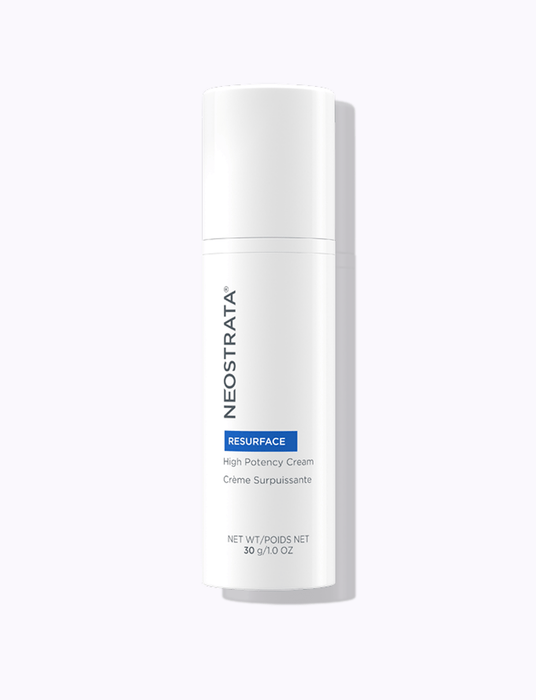
NEOSTRATA Resurface High Potency Cream — An 18% glycolic night cream with lactobionic acid and vitamin E, made for experienced AHA users with sun-damaged, uneven skin. That strength sits well above the 10% guideline, so the brand advises starting two to three nights a week. Reviewers report smoother, brighter texture and a mild tingle at first.
Deal at DermStreet: 35% off with code BFCM35
Best for oily, congested skin
-
Replenix Gly-Sal 10-2 Clarifying Pads — 10% glycolic and 2% salicylic acid on pre-soaked pads for oily, breakout-prone and resilient skin. Use once daily in the evening, or every other day if you feel sensitivity. Reviewers note clearer-looking pores, less shine and smoother texture within a few weeks.
Deal at DermStreet: 30% off with code BFCM30
Best for rough skin below the neck
-
Replenix Glycolic Acid Resurfacing Body Lotion — A high-strength glycolic body lotion with antioxidants including vitamin C, green tea and CoQ10. Reviewers use it on rough, bumpy arms and legs and report softer, smoother skin. Apply to clean, dry skin, avoid freshly shaved or irritated areas, and wear sunscreen on any exposed skin.
Deal at DermStreet: 30% off with code BFCM30
Shop All Glycolic Acid Products at DermStreet →
How to add glycolic acid to your routine
Cleveland Clinic recommends patch testing first, then starting once or twice a week at night and working up to nightly only if your skin stays comfortable. UPMC's version: every other night, building toward nightly.
Morning: gentle cleanser → antioxidant serum if you use one → moisturizer → broad-spectrum SPF 30 or higher, reapplied every two hours when you are outdoors.
Evening (glycolic nights): cleanse (or use a glycolic wash as your treatment) → glycolic serum, cream or pad on dry skin → a plain, soothing moisturizer.
Evening (rest nights): cleanse → hydrating serum such as hyaluronic acid → rich moisturizer. In winter, most people do best with two or three glycolic nights a week.
Layering rules: when you are new to glycolic, Cleveland Clinic advises not combining it with other exfoliants, retinol or vitamin C serums. Alternate nights instead. If you get mild irritation, UPMC suggests niacinamide as a soothing companion.
Frequently Asked Questions
What does glycolic acid do for your face?
It exfoliates the surface layer of skin by loosening the bonds between dead cells. With regular use, that helps smooth texture, brighten dullness, fade the look of dark spots and keep pores looking clearer.
Can I use glycolic acid every day?
Some people can, but build up to it. Start once or twice a week at night and increase only if your skin stays calm. Daily-use cleansers are gentler than leave-on serums or creams.
What percentage of glycolic acid should I use?
For most at-home use, 10% or less. The safety panel cited by the FDA supports 10% or lower at a pH of 3.5 or above with sun protection. Higher strengths are for experienced users or professional treatments.
Does glycolic acid make you sensitive to the sun?
Yes. FDA-reviewed studies found AHAs increase UV sensitivity, which resolves about a week after stopping. Wear broad-spectrum SPF 30 or higher daily while using glycolic acid and for a week afterward.
Can I use glycolic acid with retinol or vitamin C?
Not at first. Dermatology experts recommend avoiding other exfoliants, retinol and vitamin C serums when you start glycolic acid. Alternate nights, and ask your dermatologist before combining with prescription retinoids.
Where can I buy glycolic acid skincare?
DermStreet.com carries authentic, physician-grade glycolic acid products from NEOSTRATA, Murad, Replenix and Peter Thomas Roth, with licensed estheticians available to help you choose. Current deals: 35% off NEOSTRATA, Murad and Peter Thomas Roth with code BFCM35, and 30% off Replenix with code BFCM30.
The Bottom Line
Glycolic acid earns its reputation: used patiently and paired with daily sunscreen, it is one of the most reliable ways to trade winter dullness for smoother, brighter skin. Start with a wash or a few nights a week, protect your skin by day, and save the high-strength formulas for when your skin is ready. Right now at DermStreet you can save 35% on NEOSTRATA, Murad and Peter Thomas Roth with code BFCM35 and 30% on Replenix with code BFCM30.
Not sure which strength fits your skin? Our licensed estheticians at DermStreet can help — call 888-249-2502 or start a live chat.
Shop The Blog



Sources
U.S. Food and Drug Administration: Alpha Hydroxy Acids
Cleveland Clinic: Glycolic Acid
UPMC HealthBeat: What Does Glycolic Acid Do for Skin?
This article is for educational purposes and is not medical advice.