


Last reviewed November 7, 2026 · 7-minute read
The short answer: Those rough "chicken skin" bumps on your upper arms and thighs are usually keratosis pilaris (KP): harmless plugs of keratin in hair follicles that get worse when skin is dry. To smooth them, cleanse gently, skip harsh scrubbing, and use a cream with lactic acid, urea, glycolic acid or a retinoid right after bathing. Expect gradual improvement over weeks, plus ongoing maintenance.
Every winter, a certain kind of message lands in our customer care inbox: "My arms feel like sandpaper again." It's almost always keratosis pilaris, the tiny, rough bumps that cluster on the backs of the arms and the fronts of the thighs. It's one of the most common skin complaints there is, it tends to run in families, and, for many people, it's at its most stubborn right now, when the heat comes on and the air goes dry.
The good news: KP is harmless and very manageable once you stop fighting it with the wrong tools. We went through the body-care shelf at DermStreet, read every ingredient list, and matched the formulas to the ingredients dermatologists actually recommend for KP. Here's the plan.
What is keratosis pilaris?
Keratosis pilaris is a harmless skin condition caused by a buildup of keratin, the tough protein that protects skin. That keratin blocks the openings of hair follicles, creating patches of small, rough bumps. It shows up most often on the upper arms and thighs, and the bumps usually don't hurt or itch.
A few things worth knowing:
✔ It's very common and tends to run in families
✔ It's more common in young children and often fades with age; Mayo Clinic notes it usually disappears by age 30
✔ It's more common in people with a history of eczema, asthma or hay fever, or very dry skin
✔ It can't be cured or prevented, but its look and feel can be improved
✔ It needs ongoing care: stop treating it and it tends to come back
Why does keratosis pilaris get worse in winter?
Dry skin makes KP worse. Mayo Clinic notes that symptoms often worsen when seasonal changes bring low humidity and dry skin, and dermatologist Jeffrey Sobell, MD, writes that, like dry skin in general, KP tends to be more apparent in cold weather. Long, hot showers make it worse too, because they strip moisture from the skin. In other words, the same habits that feel comforting in January (scalding showers, dry indoor heat) are what make the bumps more noticeable.
What ingredients help keratosis pilaris?
The American Academy of Dermatology (AAD) says most moisturizing creams used for KP contain urea or lactic acid, and it lists alpha hydroxy acids such as glycolic and lactic acid, salicylic acid, urea and retinoids among the exfoliating ingredients that can help. Here's how they compare:
| Ingredient | How it helps | Best for | Watch for |
|---|---|---|---|
| Lactic acid | Gentle AHA that loosens buildup while moisturizing | A first step for most people | Can sting on freshly shaved or broken skin |
| Urea | Softens rough skin and boosts moisture | Very dry, rough KP | Mild tingling on irritated skin |
| Glycolic acid | Stronger AHA exfoliation for smoother texture | Resilient skin with stubborn bumps | Sun sensitivity; build up slowly |
| Retinoids (retinol, retinal) | Encourage skin renewal to smooth texture | KP plus crepiness or uneven tone | Dryness and irritation; avoid in pregnancy unless cleared |
Stuck between acids? Our guide to what glycolic acid does (and how it compares with lactic) explains the difference in strength.
How do you smooth keratosis pilaris? The winter plan
1. Shorten the shower. Mayo Clinic suggests about 10 minutes or less with warm, not hot, water. The AAD recommends limiting bathing to once a day and using a mild cleanser instead of bar soap, which can dry skin.
2. Be gentle, not gritty. It's tempting to scrub the bumps off, but vigorous scrubbing or picking at the plugs irritates skin and can make KP worse. A soft washcloth or loofah with a moisturizing cleanser is plenty.
3. Moisturize within 5 minutes. The AAD recommends applying a thick cream (creams beat lotions here) within 5 minutes of bathing, ideally one with urea or lactic acid, and reapplying two or three times a day.
4. Add a treatment, slowly. Use an AHA or retinoid body treatment a few nights a week, and build up as your skin tolerates it. On off nights, use a rich barrier cream.
5. Humidify. A humidifier helps when indoor air is dry, especially in winter.
6. Be patient. The AAD says to tell your dermatologist if you don't see improvement after 4 to 6 weeks. And because KP comes back when you stop, think maintenance, not a one-time fix.
Who should see a dermatologist?
KP is harmless and treatment isn't required. But see a dermatologist if the bumps are widespread, inflamed, itchy or not improving after 4 to 6 weeks of consistent care, or if you're unsure it's KP at all. A dermatologist can recommend prescription options. If you're pregnant or breastfeeding, skip retinoid body products unless your provider clears them, and ask before starting stronger acids. Acid creams can sting, so Mayo Clinic notes they aren't recommended for young children.
The Best Body Treatments for Keratosis Pilaris at DermStreet
Deals current as of November 7, 2026. DermStreet discounts vary by brand, take one code per item, and may change.
Exfoliating body lotions (AHAs)
-
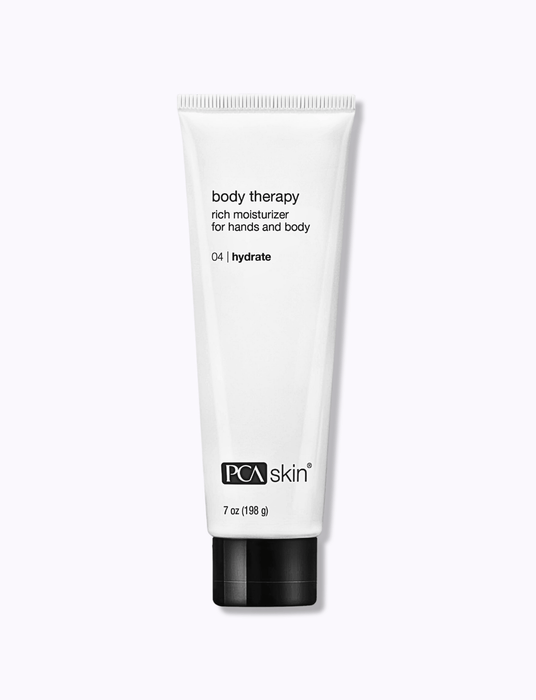
PCA Skin Body Therapy — Lactic acid and ammonium lactate lead the ingredient list, cushioned by jojoba and shea butter. It's our first pick for KP, and reviewers with KP describe gradually smoother arms with consistent use. Contains orange peel oil.
Deal at DermStreet: 27% off with code HOLIDAY27 -
Replenix Glycolic Acid 15% Resurfacing Body Lotion — A stronger glycolic acid lotion with green tea and antioxidants, made for rough, bumpy areas prone to KP. Start a few times a week and wear sunscreen on exposed skin.
Deal at DermStreet: 25% off with code HOLIDAY25 -
iS Clinical Body Complex — A lighter option that pairs lactic acid and willow bark extract with hyaluronic acid and aloe, good for daily use on dry, bumpy skin.
Deal at DermStreet: 30% off with code HOLIDAY30
Urea and retinoid treatments
-
ZO Skin Health Body Emulsion — Combines urea and retinol with oat kernel flour and antioxidants for dry, rough, uneven skin. Apply after showering.
Deal at DermStreet: 20% off with code HOLIDAY20 -
Murad Retinal ReSculpt Body Treatment — Encapsulated retinal with urea, squalane and shea butter, for KP that comes with crepey texture. Start two to three nights a week and use sunscreen by day.
Deal at DermStreet: 30% off with code HOLIDAY30
Barrier cream for off nights
-
Epionce Renewal Body Lotion — A rich, acid-free moisturizer with petrolatum, shea butter and plant oils to keep skin comfortable between treatment nights. Contains citrus and lavandin essential oils.
Deal at DermStreet: 30% off with code HOLIDAY30
How to add KP care to your routine
Morning: after a short, warm shower, apply a lactic acid or urea lotion to arms and thighs within 5 minutes → broad-spectrum SPF 30+ on any exposed areas, since AHAs and retinoids can increase sun sensitivity.
Evening: two to four nights a week, apply a glycolic acid or retinol body treatment to clean, dry skin. On the other nights, use a rich barrier cream. Never layer a retinoid and a strong acid on the same night when you're starting out.
Shopping by ingredient? Browse our lactic acid and glycolic acid edits, or the full uneven texture collection. If crepey skin is also on your list, our guide to crepey skin on arms and legs goes deeper.
Frequently Asked Questions
What causes keratosis pilaris?
KP is caused by a buildup of keratin that plugs hair follicles, creating small, rough bumps. It's very common, tends to run in families and gets worse when skin is dry.
Can you get rid of keratosis pilaris permanently?
No. KP can't be cured, but consistent moisturizing and exfoliating creams can make bumps look and feel smoother. It often fades with age, and it tends to return if you stop treatment.
Should I scrub keratosis pilaris?
No. Vigorous scrubbing or picking irritates skin and can worsen KP. Use a soft washcloth or loofah gently, and let chemical exfoliants like lactic or glycolic acid do the work.
What is the best lotion for keratosis pilaris?
Look for a thick cream with urea or lactic acid, the ingredients the AAD says most KP moisturizers contain. Glycolic acid and retinoid body treatments can help stubborn bumps.
How long does it take to see results?
Improvement is gradual. The AAD suggests talking to a dermatologist if you don't see improvement after 4 to 6 weeks of consistent care.
Where can I buy body lotion for keratosis pilaris?
DermStreet.com carries authentic, physician-grade KP body treatments, and its licensed estheticians can help you choose. Current deals: iS Clinical, Murad and Epionce 30% off with code HOLIDAY30; PCA Skin 27% off with code HOLIDAY27; Replenix 25% off with code HOLIDAY25; ZO Skin Health 20% off with code HOLIDAY20.
The Bottom Line
Keratosis pilaris is harmless, common and worse in winter, and the fix is less about scrubbing harder and more about short warm showers, a urea or lactic acid cream applied right after bathing, and a few nights a week of exfoliating treatment. Build your KP routine at DermStreet, where iS Clinical, Murad and Epionce are 30% off with code HOLIDAY30, PCA Skin is 27% off with code HOLIDAY27, Replenix is 25% off with code HOLIDAY25, and ZO Skin Health is 20% off with code HOLIDAY20.
Not sure which body treatment fits your skin? Our licensed estheticians at DermStreet can help — call 888-249-2502 or start a live chat.
Shop The Blog


Sources
American Academy of Dermatology: Keratosis pilaris diagnosis and treatment
American Academy of Dermatology: Keratosis pilaris self-care
Mayo Clinic: Keratosis pilaris symptoms and causes
Mayo Clinic: Keratosis pilaris diagnosis and treatment
SkinCare Physicians: A dermatologist's tips for managing keratosis pilaris
This article is for educational purposes and is not medical advice.